
TrapSoul is a fusion of contemporary R&B, soul and trap production. It combines emotional melodies, personal storytelling and smooth vocals with deep 808 bass, crisp trap drums and atmospheric production.
The sound is often emotional, romantic, dark, reflective and cinematic. A TrapSoul artist may sing a melodic hook, move into a conversational rap verse and return to layered harmonies without leaving the same instrumental.
Bryson Tiller helped bring the term TrapSoul into the mainstream with his 2015 album T R A P S O U L. The album gave listeners a clear name for a sound that blended modern R&B emotion with trap influenced drums and rap delivery.
TrapSoul continues to attract singers, rappers and melodic artists because it gives them room to express vulnerability while still sounding powerful.
Ready to turn your story into a song?
Link this button to your TrapSoul beat collection:
Explore Emotional TrapSoul Beats
What Does TrapSoul Mean?
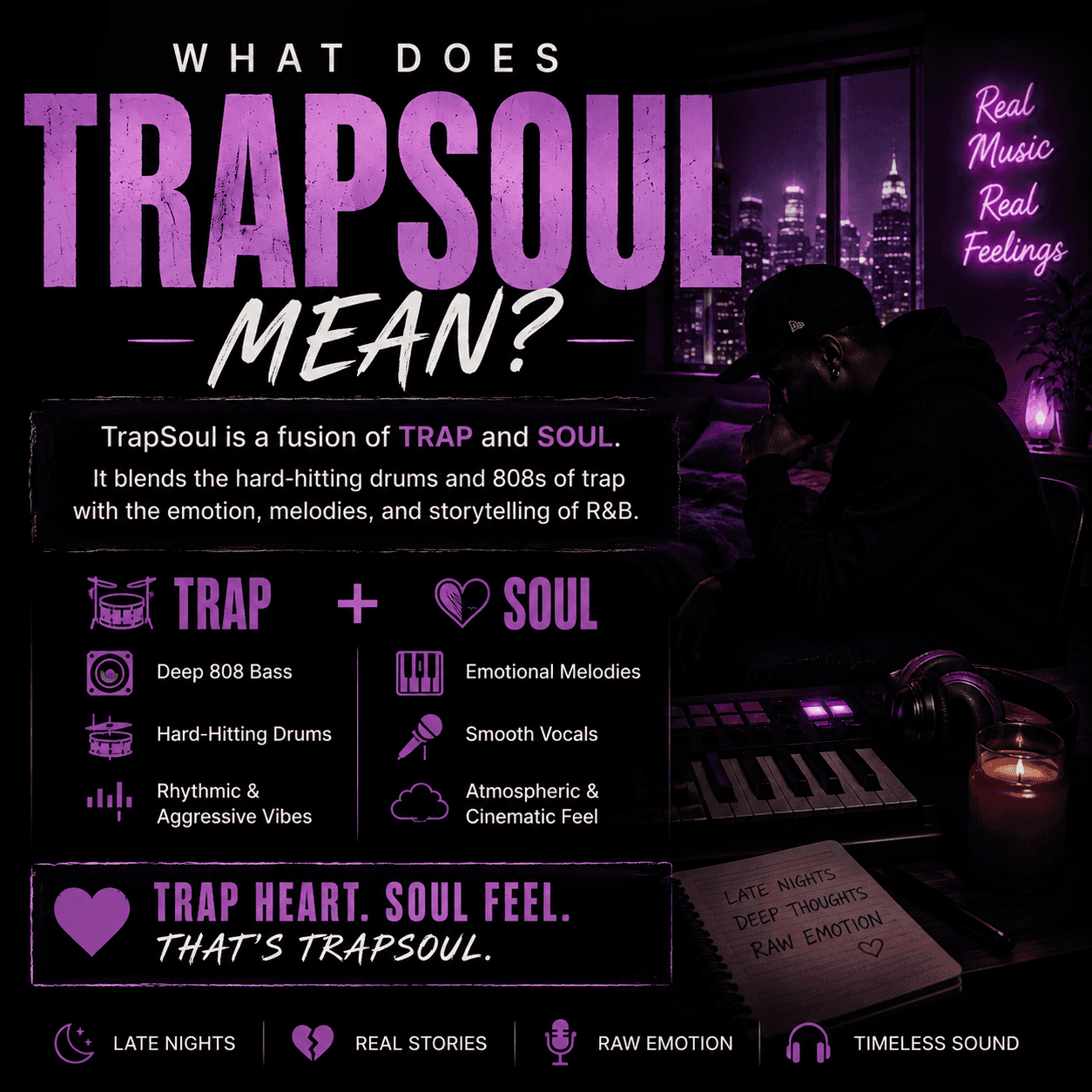
The name TrapSoul describes the combination of two musical worlds.
Trap contributes the 808 bass, programmed drums, hi hats, snares, rhythmic bounce and hip hop energy.
Soul and R&B contribute the emotional chords, smooth melodies, vocal harmonies and personal songwriting.
TrapSoul is not simply someone singing over a regular trap beat. Strong TrapSoul production carefully balances hard drums with warmth, emotion and vocal space.
The beat should feel powerful enough for rap verses while remaining open enough for singing, harmonies, adlibs and emotional pauses.
Where Did TrapSoul Come From?
TrapSoul developed as the boundaries between R&B, hip hop and melodic rap became less strict.
During the early 2010s, artists and producers began combining emotional R&B songwriting with the drum patterns and bass sounds commonly heard in Southern trap music.
The sound grew through a combination of:
Spacious R&B chord progressions
Atmospheric pads and reversed sounds
Deep 808 bass
Trap influenced percussion
Melodic rap delivery
Intimate relationship writing
Dark and cinematic production
Bryson Tiller’s T R A P S O U L album helped define the sound for a larger audience. His music combined singing, rapping and vulnerable songwriting with minimal production that gave his voice room to lead the record.
Popular TrapSoul Artists
People frequently search for TrapSoul artists because the genre overlaps with alternative R&B, contemporary R&B and melodic hip hop.
Not every artist listed below makes only TrapSoul music. However, each artist has released music that shares important elements with the TrapSoul sound.
Bryson Tiller
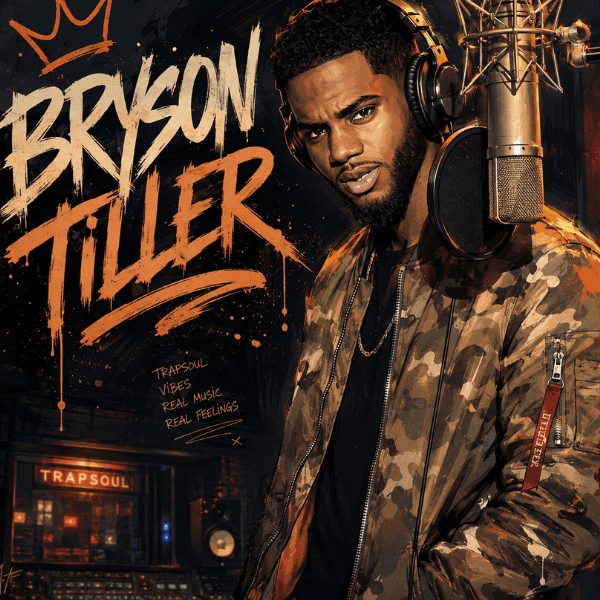
Bryson Tiller is the artist most closely associated with the TrapSoul name.
His music combines emotional relationship writing, smooth melodies, rap influenced flows and spacious production. His songs often feel personal, late night and conversational.
PARTYNEXTDOOR

PARTYNEXTDOOR is known for atmospheric production, unusual vocal melodies and intimate writing.
His music often explores relationships, desire, regret, temptation and emotional distance.
6LACK
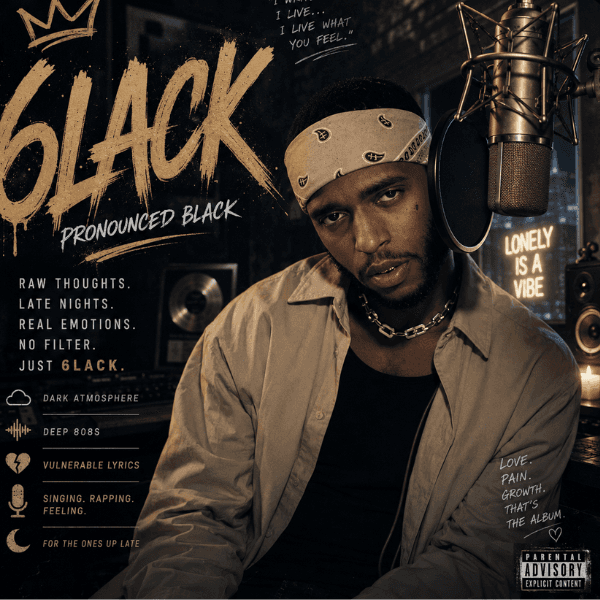
6LACK combines introspective lyrics, restrained vocals and dark trap influenced production.
His songs often use minimal arrangements that allow the emotion and writing to remain the main focus.
Summer Walker
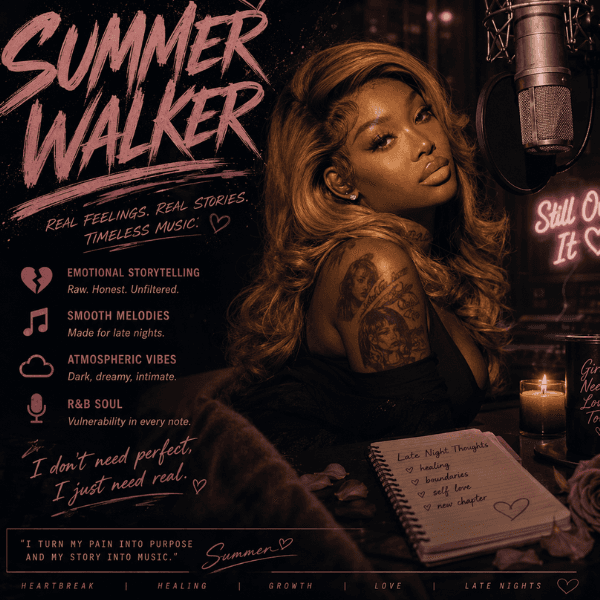
Summer Walker blends modern R&B vocals with emotional storytelling and atmospheric production.
Her music often explores heartbreak, trust, frustration, vulnerability and complicated relationships.
SZA
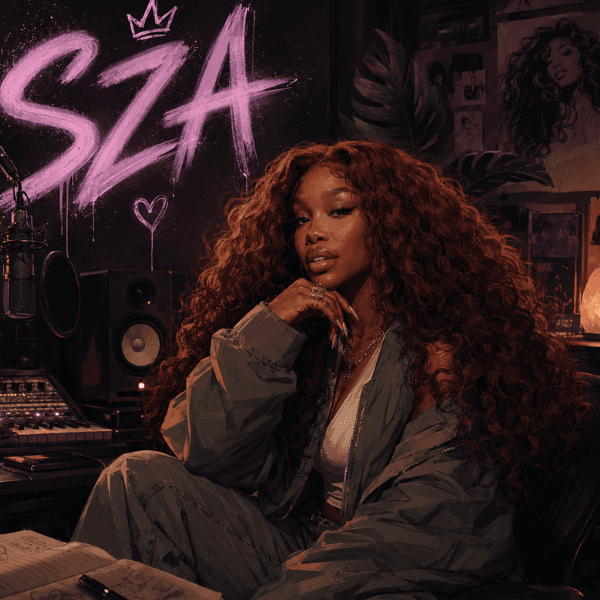
SZA mixes alternative R&B, soul, hip hop and experimental production.
Although her music covers a wider range than TrapSoul, many of her songs share the genre’s emotional honesty, spacious production and conversational writing.
Brent Faiyaz

Brent Faiyaz is known for moody vocals, minimal production and emotionally complicated songwriting.
His music often explores attraction, ambition, independence, temptation and toxic relationships.
Ty Dolla Sign
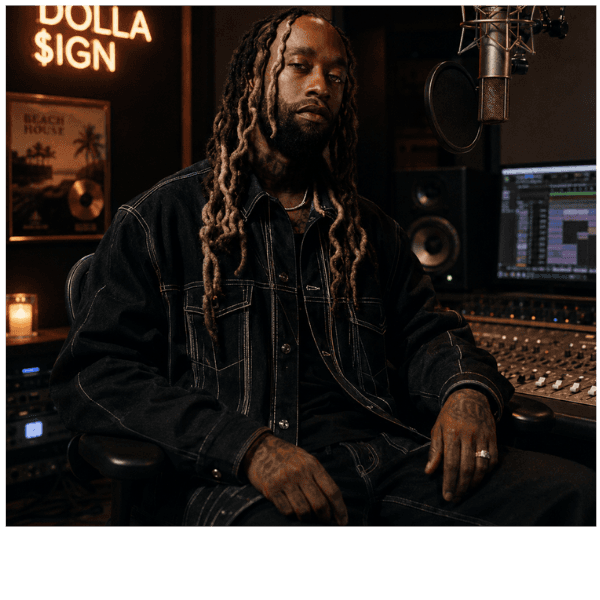
Ty Dolla Sign combines rich vocal harmonies with hip hop drums and modern R&B production.
His layered vocals and strong melodic instincts give his music a polished and expressive sound.
Roy Woods
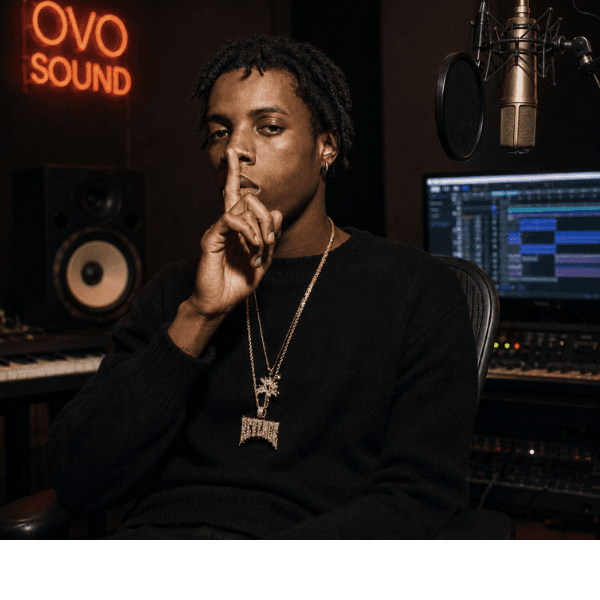
Roy Woods is often associated with dark Canadian R&B, melodic rap and atmospheric TrapSoul production.
His music frequently uses moody melodies, emotional vocals and minimal drums.
dvsn
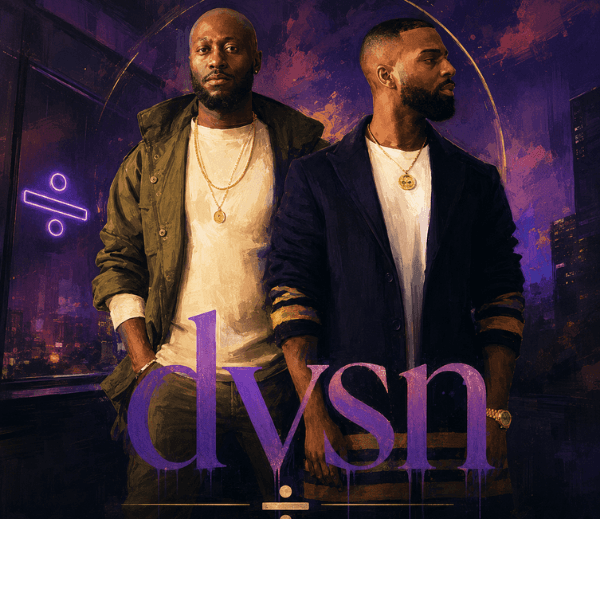
dvsn combines polished singing, detailed vocal harmonies and dark modern R&B production.
Their music often feels intimate, dramatic and cinematic.
Jacquees
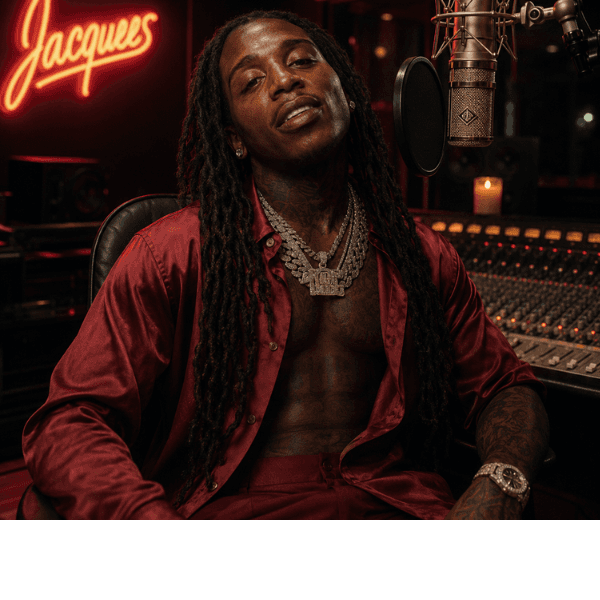
Jacquees brings a traditional R&B vocal style into modern trap influenced production.
His songs often feature melodic bass, smooth harmonies and relationship centered writing.
What Does TrapSoul Sound Like?
TrapSoul does not have one required sound. However, many TrapSoul beats share several important production characteristics.
1. Emotional Chord Progressions
TrapSoul frequently uses minor keys and emotional chord progressions.
Common sounds include:
Rhodes piano
Electric piano
Dark acoustic piano
Ambient guitar
Warm synth pads
Reversed melodies
Filtered samples
Vocal textures
Soft bells
Atmospheric plucks
The melody usually establishes the emotional direction before the artist begins singing.
2. Deep 808 Bass
The 808 gives TrapSoul weight and movement.
Unlike aggressive trap music, the bass does not always dominate the arrangement. It may follow the main chord progression, support the vocal melody or create movement through slides and passing notes.
The best TrapSoul bass lines strengthen the emotion without fighting the singer.
3. Spacious Trap Drums
TrapSoul drums are usually clean, controlled and less crowded than aggressive trap drums.
Common drum elements include:
Punchy kicks
Crisp snares
Rimshots
Snaps
Controlled hi hat patterns
Occasional rolls
Soft percussion
Strategic pauses
The space between the drum hits gives the artist room to sing, rap and use background vocals.
4. Singing and Rapping
One of the most recognizable TrapSoul characteristics is the ability to move naturally between singing and rapping.
A TrapSoul performance may include:
A fully melodic chorus
A conversational verse
Rap influenced rhyme patterns
Layered harmonies
Falsetto background vocals
Emotional adlibs
Spoken phrases
This flexibility makes TrapSoul ideal for artists who do not want to choose between being a rapper and being an R&B singer.
5. Personal Songwriting
TrapSoul lyrics often focus on personal experiences and emotional conflict.
Common TrapSoul topics include:
Love
Heartbreak
Betrayal
Regret
Toxic relationships
Loneliness
Late night memories
Temptation
Success
Healing
Emotional distance
Fear of commitment
The strongest TrapSoul songs use specific moments rather than vague statements.
Instead of simply writing, “I miss you,” an artist could describe driving past an old apartment, seeing an unread message or hearing a song connected to the relationship.
Specific details make the listener believe the story.
TrapSoul Compared With Traditional R&B
TrapSoul and traditional R&B share emotional vocals, relationship writing and melodic production. The main difference is usually found in the drums, bass and vocal delivery.
Traditional R&B may use fuller chord progressions, live instruments, detailed vocal arrangements and smoother drum patterns.
TrapSoul usually uses deeper 808 bass, sharper snares, trap influenced hi hats and more space between sounds.
Traditional R&B often centers singing.
TrapSoul allows the artist to move between singing, melodic rapping and conversational delivery.
TrapSoul Compared With Melodic Trap
Melodic trap often places more emphasis on rap delivery, heavy bass and energetic drum patterns.
TrapSoul usually places more emphasis on R&B emotion, vocal harmonies and relationship focused songwriting.
Both genres may use 808s, atmospheric melodies and melodic vocals. The difference usually comes from the balance between the singer, the production and the subject matter.
How to Write a TrapSoul Song
1. Choose One Honest Emotion
Begin by deciding what the song is truly about.
Possible ideas include:
Missing someone you know is bad for you
Becoming successful but still feeling empty
Wanting love while being afraid to trust
Realizing someone betrayed you
Trying to heal without receiving closure
Feeling alone in a crowded room
Wanting commitment from someone emotionally unavailable
One focused emotion creates a stronger song than several unrelated ideas.
2. Write the Hook First
The hook should communicate the main emotion in a way that is easy to remember.
A strong TrapSoul hook often includes:
One central phrase
Repetition
A memorable final line
Space for vocal adlibs
A clear emotional conflict
The listener should understand the feeling of the song even if they only hear the hook once.
3. Blend Singing and Rapping Naturally
Do not force singing and rapping into every section.
A useful TrapSoul song structure could include:
Melodic intro
Sung hook
Conversational verse
Emotional pre chorus
Second hook with harmonies
More personal second verse
Final hook with additional adlibs
Use the delivery that best supports the emotion.
4. Leave Space in the Performance
TrapSoul does not require nonstop vocals.
Strategic silence can make the next line feel more important.
Use pauses, breaths, background harmonies and restrained adlibs instead of filling every second of the beat.
5. Use Specific Details
The listener should feel like they are hearing a real memory.
Mention the room, the time, the message, the location, the argument or the moment something changed.
Specific details create stronger emotional connections than general statements.
How to Choose the Right TrapSoul Beat
Choose a beat based on your voice, your story and the emotion you want the listener to feel.
Listen for:
A musical key that fits your vocal range
Enough space for your hook
A mood that matches your lyrics
Drums that complement your delivery
A memorable melody that does not overpower your voice
Clear differences between the verse and chorus sections
Bass that supports the emotion
An arrangement that gives the song somewhere to grow
A darker beat may fit betrayal, regret or loneliness.
Warm guitars and soulful chords may fit love, healing or nostalgia.
Stronger drums may fit an artist who plans to rap more heavily.
Find a TrapSoul Beat That Fits Your Story
Link this button to your TrapSoul beat collection.
Frequently Asked Questions
Is TrapSoul the Same as R&B?
TrapSoul is closely related to contemporary R&B, but it uses more trap influenced drums, 808 bass and rap influenced vocal delivery.
Traditional R&B may use fuller instrumentation, smoother grooves and more detailed vocal arrangements.
Who Made TrapSoul Popular?
Bryson Tiller helped popularize the TrapSoul name through his 2015 album T R A P S O U L.
The album became an important reference point for artists who wanted to combine vulnerable R&B writing with modern hip hop production.
Who Are the Most Popular TrapSoul Artists?
Popular artists connected to the TrapSoul sound include Bryson Tiller, PARTYNEXTDOOR, 6LACK, Summer Walker, Brent Faiyaz, Ty Dolla Sign, Roy Woods, dvsn and Jacquees.
Some artists move between several genres, but their music often shares TrapSoul elements.
What Instruments Are Used in TrapSoul?
Common TrapSoul instruments include electric piano, acoustic piano, atmospheric synth pads, guitars, reversed samples, vocal textures, deep 808 bass, crisp snares and programmed hi hats.
What BPM Is TrapSoul?
TrapSoul does not have one required BPM.
Many TrapSoul songs feel slow or midtempo, even when the project tempo is technically faster because of double time drum programming.
The vocal pocket and emotional pacing matter more than one exact number.
Can You Rap on a TrapSoul Beat?
Yes.
TrapSoul is especially effective for artists who move between melodic hooks, singing and rap influenced verses.
Is TrapSoul Still Popular?
Yes.
The sound continues to influence modern R&B, melodic rap and alternative R&B because artists still want emotional production that combines smooth melodies with powerful drums.
Final Thoughts
TrapSoul works because it brings emotional storytelling and hard hitting production into the same space.
It can feel intimate without sounding weak.
It can feel cinematic without becoming overcrowded.
It can sound melodic without losing its connection to hip hop.
That balance makes TrapSoul a strong choice for singers, melodic rappers and artists who want their music to feel personal.
The right beat should not simply sound good.
It should make the artist immediately understand what they need to say.
CLICK HERE to Browse TrapSoul Beats Created for Emotional Records
Written by DJ Evie E
DJ Evie E is a female veteran music producer and the founder of Striving Mind Productions. She creates emotional TrapSoul, pain trap, drill, boom bap and melodic hip hop production for independent rappers and singers.